Search Website
Meet Our Faculty: Humans of Social Science | Laura Stephenson, Professor and Chair, Department of Political Science
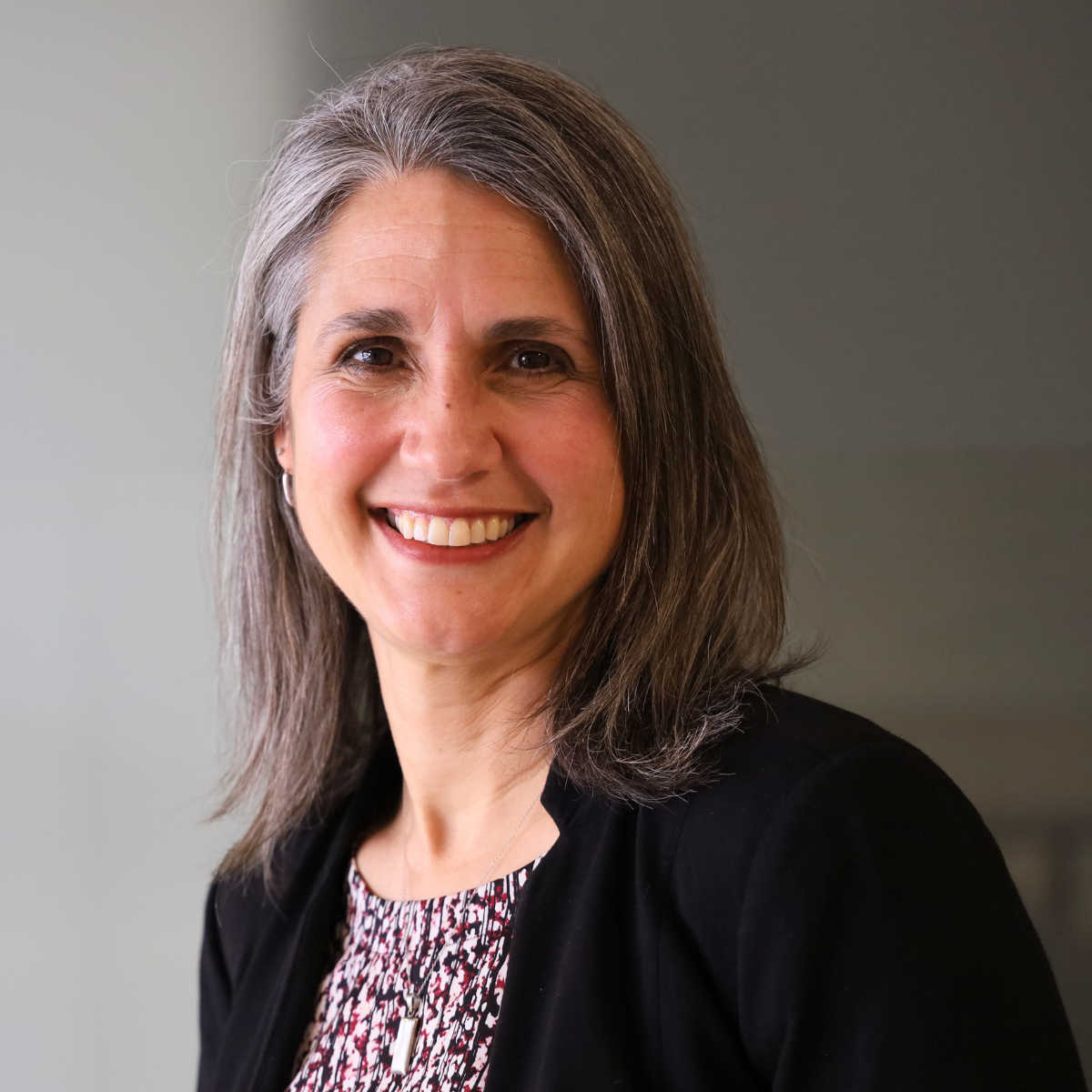 For Professor Laura Stephenson, curiosity about politics and history was always present. When she began taking Political Science courses, the field quickly felt like a natural fit. Pairing that interest with a double major in Economics opened the door to understanding how rational decision-making intersects with political life — a connection that continues to shape her work today.
“I was especially drawn to election research,” she recalls, pointing to a second-year class where she first learned how surveys could be used to analyze voting behaviour. That moment left a lasting impression and helped guide her academic path.
Learning to Ask the Right Questions
In the classroom, Stephenson hopes students begin to see the world around them differently. For her, studying politics is not about memorizing events, but about understanding why choices are made.
“When I read the news, I always think about motivations,” she says. “Why was one choice made when others were possible?” She encourages students to approach global and political events with the same mindset — dissecting decisions, questioning assumptions, and considering competing interests.
This way of thinking, she believes, builds strong critical thinkers and more engaged citizens. “It leads to asking hard questions,” she explains, “and sometimes uncovering motivations that aren’t always obvious or noble.”
Why People Matter
 People, Stephenson says, are endlessly fascinating — and not easy to study. What makes them interesting is also what makes research complex.
“So many different interests and motivations compete,” she explains. “Studying the choices people make isn’t easy, because people are unique.” That complexity is exactly what keeps her engaged with Political Science and the study of democratic behaviour.
Challenging a Common Myth
One of the biggest misconceptions about Political Science, Stephenson notes, is the idea that it trains people to become politicians.
“Political Science doesn’t equip you to be a politician,” she says. “But it does help you better understand how we are governed and why policies are — or are not — adopted.” At its core, the discipline provides tools to critically examine systems of power, decision-making, and public policy.
Moments That Stay With You
Some of the most meaningful insights come directly from students. Stephenson recalls a class discussion about social media use that challenged many prevailing assumptions.
Students shared the intentional steps they take to ensure they receive balanced information and diverse perspectives — a contrast to the dominant narratives at the time about social media’s harms.
“It confirmed for me that we need to pay more attention to what youth are actually doing,” she reflects, “rather than just making assumptions about their behaviour.”
The Human Side of Political Science
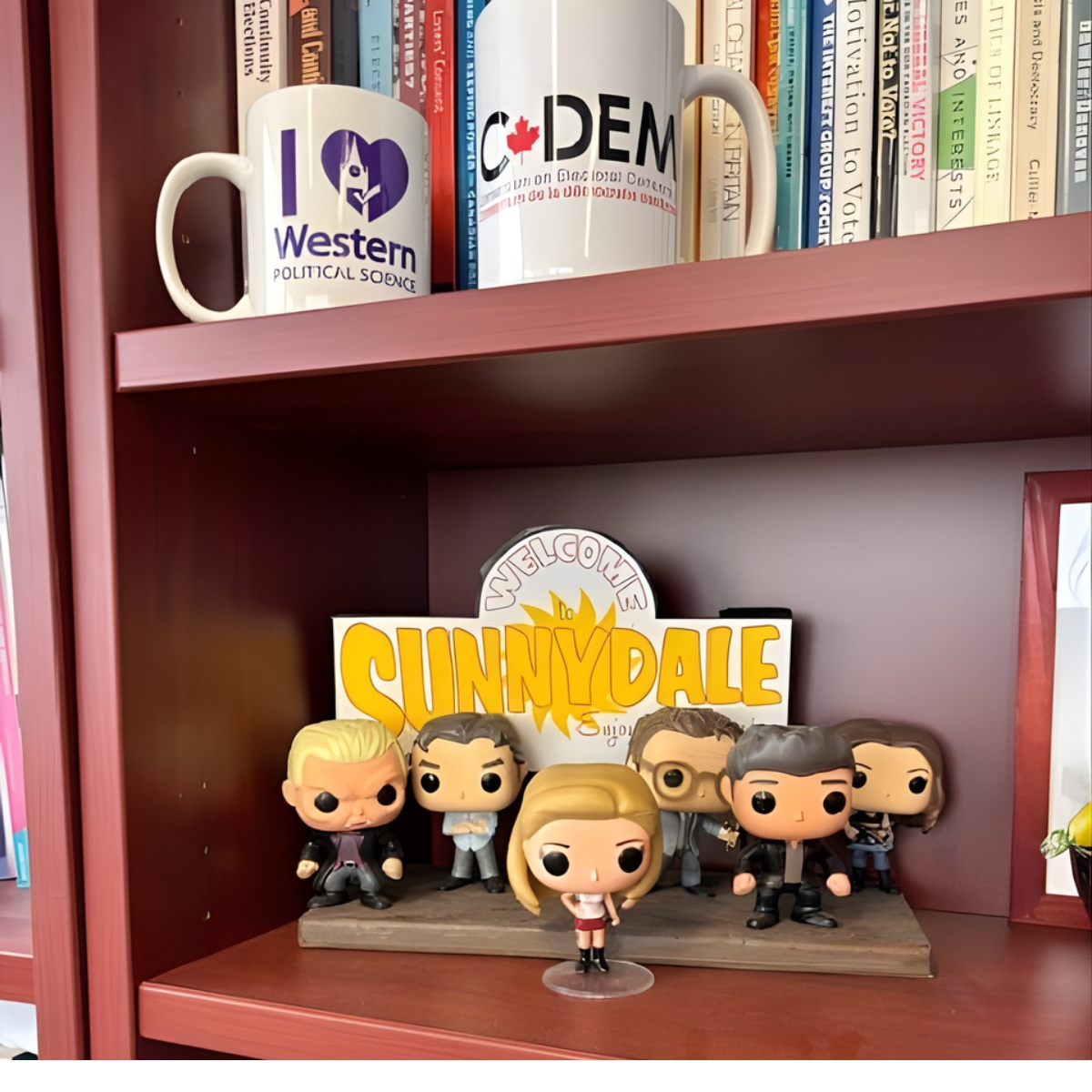 Outside the classroom, Stephenson has a fun fact that surprises many students: she’s a huge Buffy the Vampire Slayer fan.
A book that deeply shaped her thinking is An Economic Theory of Democracy by Anthony Downs, which strengthened her interest in rational decision-making and political behaviour.
When she needs a mood boost, she turns to music — almost anything by Wham! does the trick.
Social Science, in One Word
When asked to describe Social Science in a single word, Stephenson chooses: Critical.
It’s a word that reflects her approach to teaching, research, and understanding the world — always asking why, always looking deeper.
If you want to share your own story or know someone who should be featured, please reach out to us!